
Pediatric Gastrointestinal Surgery
Common Pediatric Gastrointestinal Surgery
Common pediatric GI surgeries include appendectomy, intestinal obstruction surgery, pyloromyotomy, Hirschsprung’s disease correction, and treatment of congenital anomalies. Procedures like liver abscess drainage and stoma surgeries are also performed. Many are done using minimally invasive techniques, ensuring less pain, quicker recovery, and shorter hospital stay for children.
Appendicectomy
Condition: Appendicitis
Appendicitis occurs when the appendix becomes inflamed and infected. It usually presents with abdominal pain (often starting near the navel and shifting to the right lower abdomen), fever, vomiting, and loss of appetite. Appendicitis is a common surgical emergency in children.
If not treated in time, the appendix can burst (rupture), leading to serious infection inside the abdomen.
Appendicectomy (Appendix Removal Surgery)
Appendicectomy is the surgical removal of the appendix.
It is most commonly performed using laparoscopic (keyhole) surgery, which involves small incisions, less pain, and faster recovery.
When is Surgery Advised?
Surgery is advised as soon as appendicitis is diagnosed to prevent rupture and complications. Early treatment leads to smoother recovery.
Is it a Day Care Surgery?
In early, uncomplicated appendicitis, laparoscopic appendicectomy may be a selected day care procedure. If the appendix has ruptured or there is infection in the abdomen, a hospital stay of a few days is usually required.
Fundoplication
Condition: Severe Gastroesophageal Reflux (GERD)
Gastroesophageal reflux (GER) occurs when stomach contents flow back into the food pipe. While mild reflux is common in infants, severe reflux (GERD) can cause:
Poor weight gain
Recurrent vomiting
Feeding difficulties
Recurrent chest infections
Irritability or discomfort
Aspiration (milk entering the lungs)
When medical treatment does not adequately control symptoms, surgical treatment may be advised.
Fundoplication Surgery
Fundoplication is a surgical procedure that strengthens the valve between the food pipe (esophagus) and the stomach. The upper part of the stomach is wrapped around the lower esophagus to prevent acid and food from flowing backward.
It is commonly performed using laparoscopic (keyhole) surgery.
In some children, fundoplication may be performed along with a gastrostomy for long-term feeding gastrostomy button to help with nutritional support.
When is Surgery Advised?
Surgery is considered when:
Severe reflux does not respond to medications
There are recurrent aspiration pneumonias
There is failure to thrive due to reflux
Long-term feeding support is required
Is it a Day Care Surgery?
Fundoplication usually requires a short hospital stay (typically 2–4 days).
It is not commonly a same-day discharge procedure, as feeding is gradually reintroduced and the child is monitored closely after surgery.
With appropriate care, most children show significant improvement in feeding, weight gain, and overall comfort.
Pediatric Gastrointestinal Surgery Care
Get in touch today
Malrotation
Condition: Malrotation
Malrotation is a birth condition where the intestines are not positioned normally in the abdomen. This can lead to twisting of the intestine (volvulus), which is a surgical emergency. Green (bilious) vomiting in a baby requires urgent evaluation.
Surgery (Ladd’s Procedure)
The procedure untwists the bowel (if needed), divides abnormal bands, and places the intestine in a safer position. The appendix is usually removed during the surgery.

Malrotation – When is Surgery Advised?
Surgery is considered when:
Immediately (Emergency):
If the child has signs of volvulus — especially green (bilious) vomiting, severe abdominal pain, abdominal distension, or shock. This is a surgical emergency.
Soon After Diagnosis (Elective but Urgent):
Even if symptoms are mild or intermittent, surgery is recommended once malrotation is confirmed, as the intestine can twist unpredictably at any time. Because of the risk of sudden volvulus and loss of blood supply to the bowel, malrotation is generally treated surgically once diagnosed.
Is it a Day Care Surgery?
No. Malrotation surgery requires hospital admission and monitoring for a few days after the procedure.
Hirschsprung Disease
Condition: Hirschsprung Disease
Hirschsprung disease is a birth condition in which nerve cells are absent in a part of the large intestine. Because this segment cannot relax properly, stool cannot pass normally, leading to blockage.
It may present with:
Failure to pass stool within the first 24–48 hours after birth
Abdominal distension
Bilious (green) vomiting
Severe constipation in infants or older children
Poor weight gain
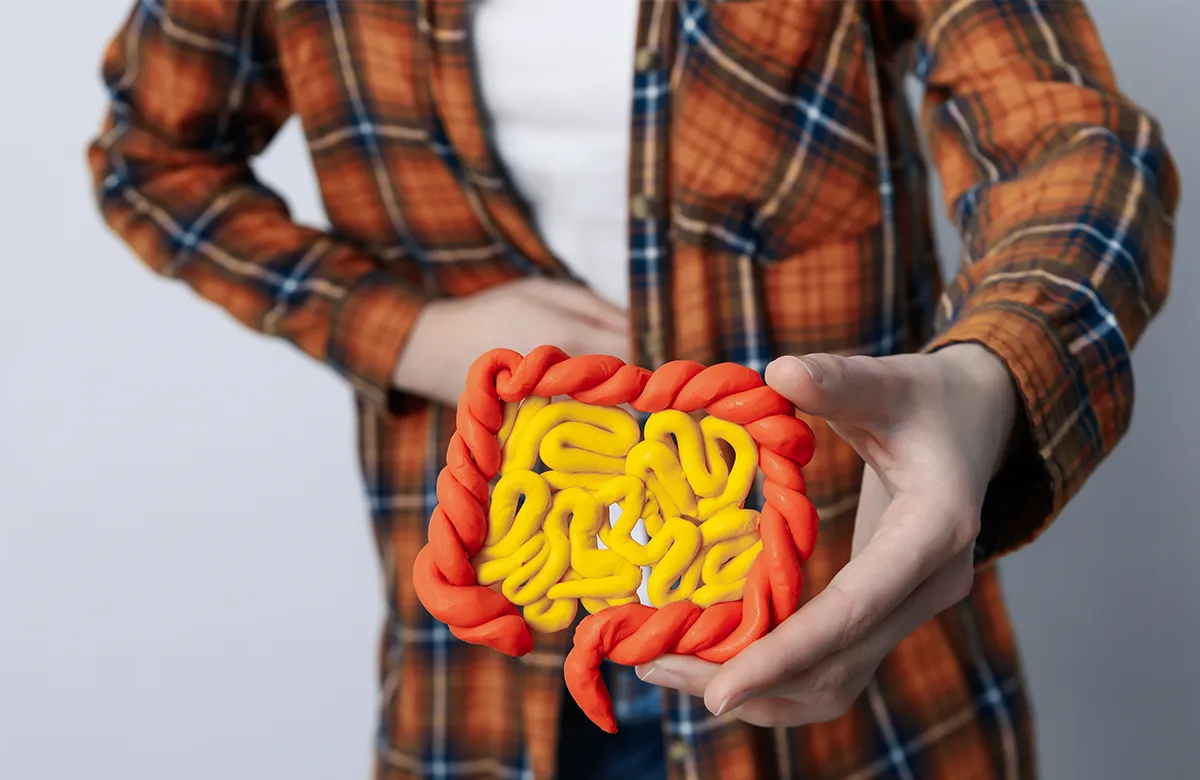
Hirschsprung Surgery (Pull-Through Procedure)
Treatment involves removing the abnormal segment of bowel and connecting the healthy intestine to the anus. This is called a pull-through surgery.
In some cases, especially if the child presents late or is unwell, a temporary stoma may be created before the definitive surgery.
When is Surgery Advised?
Surgery is advised once the diagnosis is confirmed by biopsy.
Early treatment prevents complications such as enterocolitis (serious intestinal infection) and persistent obstruction.
Is it a Day Care Surgery?
No. Hirschsprung surgery requires hospital admission. Children typically stay in the hospital for several days for monitoring, pain control, and gradual reintroduction of feeds.
With timely surgery and proper follow-up, most children go on to have good bowel function and normal growth.
Pediatric Gastrointestinal Surgery Care
Get in touch today
Intussusception
Condition: Intussusception
Intussusception occurs when one part of the intestine slides into the adjacent part, causing blockage and swelling. It can reduce blood supply to the bowel and is a medical emergency.
It commonly presents with:
Sudden, severe abdominal pain (child may cry and draw legs up)
Repeated vomiting
Blood-stained or “red currant jelly” stools
Lethargy
Abdominal swelling
It is most common in infants and young children.
Treatment
In many cases, intussusception can be treated without surgery using an air or contrast enema under imaging guidance, which gently unfolds the intestine.
If non-surgical reduction fails, or if the bowel is damaged or perforated, surgery is required.
Is it a Day Care Surgery?
If successfully treated with enema reduction, the child usually requires short observation and may go home within 24 hours.
If surgery is required, hospital admission for a few days is necessary.
Early diagnosis and prompt treatment lead to excellent outcomes.
Rectal Polyps
Condition: Rectal Polyps
Palpable Polyps are most often amenable to resection from the anus, while non palpable polys require colonoscopy
Rectal polyps are small, soft growths arising from the lining of the rectum or colon. They are a common cause of painless bleeding per rectum in children.
Children may present with:
Bright red blood in stools
Mucus in stools
A polyp protruding through the anus (occasionally)
Usually little or no pain
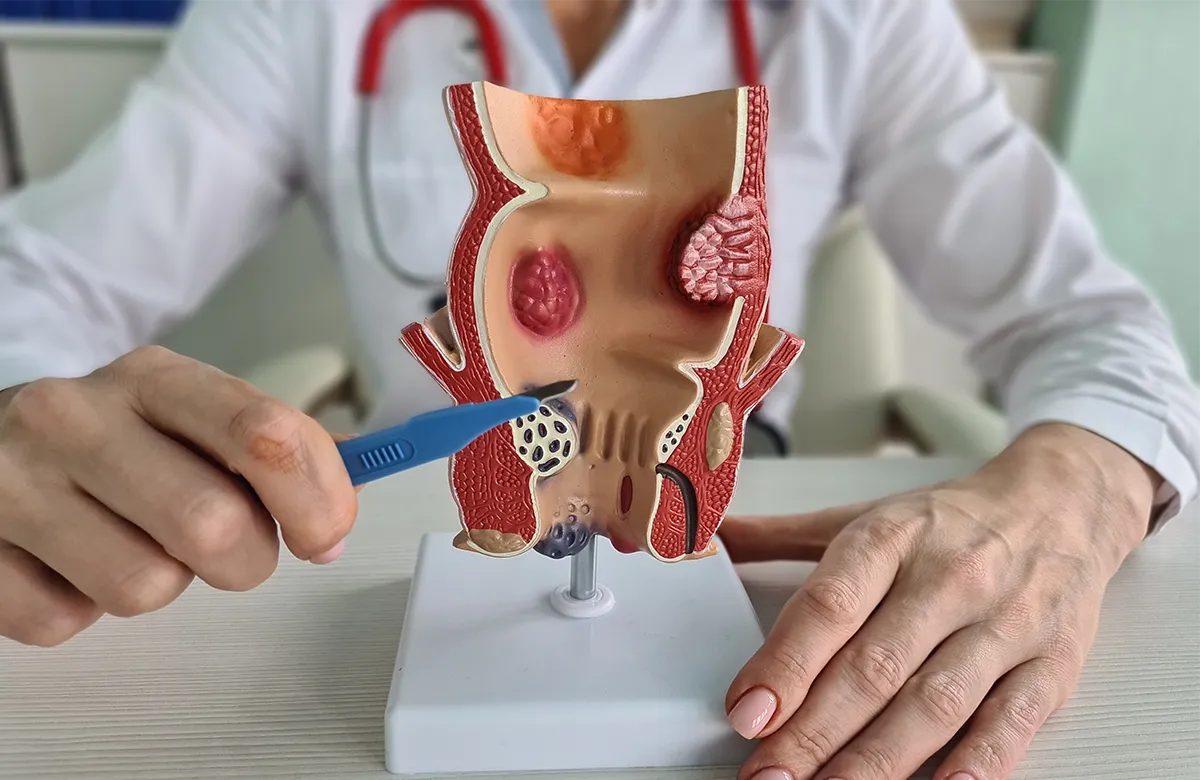
Most pediatric rectal polyps are juvenile polyps and are benign (non-cancerous).
Treatment (Polypectomy)
Treatment involves removal of the polyp using colonoscopy (endoscopic polypectomy). The removed tissue is sent for histopathological examination.
If multiple polyps are found, further evaluation may be advised.
Is it a Day Care Surgery?
Yes. Colonoscopic polyp removal is usually a day care procedure.Children are typically discharged the same day after a short period of observation. Removal of the polyp usually resolves the bleeding completely.