
Pediatric Hepatobiliary Surgery
Common Pediatric Hepatobiliary Surgery
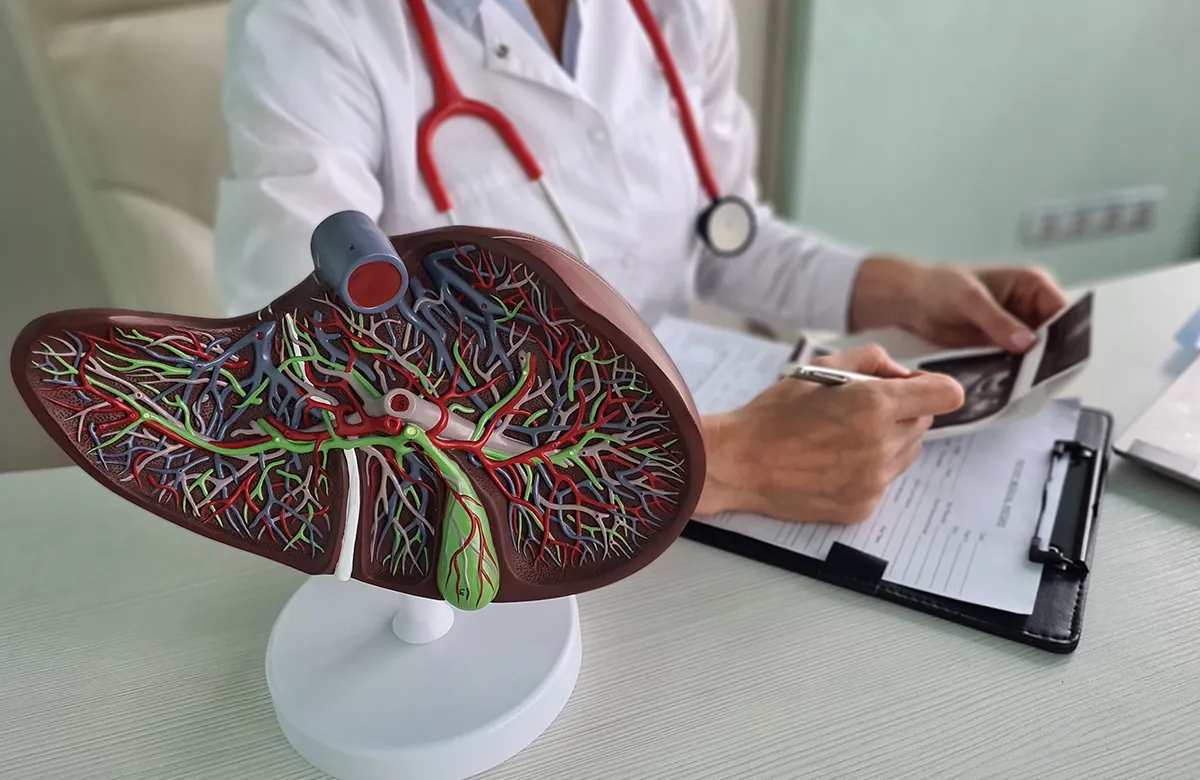
Pediatric hepatobiliary surgery focuses on conditions affecting the liver, gallbladder, and bile ducts in children. Common conditions include biliary atresia, choledochal cysts, liver abscess, gallbladder disease, and liver tumors.
These conditions often require timely diagnosis and specialized surgical care, especially in infants. Treatment may involve corrective surgery, drainage procedures, or minimally invasive techniques, depending on the condition. The goal is to restore normal liver and bile flow, prevent complications, and ensure healthy growth and development.
Biliary Atresia
Condition:
Biliary atresia is a serious liver condition in newborns where the bile ducts are absent or blocked. This prevents bile from draining from the liver, leading to liver damage.
Babies may present with:
Pale (clay-colored) stools
Dark urine
Enlarged liver
Treatment (Kasai Procedure)
Treatment involves a surgery called the Kasai portoenterostomy, which helps restore bile drainage.
When is Surgery Advised?
Surgery is advised as early as possible, ideally before 6–8 weeks of age, for better outcomes.
Is it a Day Care Surgery?
No. This is a major surgery requiring hospital admission and long-term follow-up. All infants who have biliary atresia need to be monitored closely by specialist doctors and teams through childhood, even if they are doing well. Biliary atresia is the most common reason for liver transplantation in children.
Expert Pediatric Hepatobiliary Care
Get in touch today
Choledochal Cyst
Condition:
A choledochal cyst is a congenital dilation (swelling) of the bile duct.
Children may present with:
Abdominal pain
Jaundice
Vomiting
Abdominal lump (occasionally)
Pancreatitis in some cases

Treatment
Treatment involves complete removal of the cyst and reconstruction of bile drainage.
When is Surgery Advised?
Surgery is advised soon after diagnosis to prevent infection, pancreatitis, or long-term complications.
Is it a Day Care Surgery?
No. It requires hospital admission for several days.
Pancreatitis
Condition:
Pancreatitis is inflammation of the pancreas. In children, it may occur due to infections, gallstones, trauma, medications, or congenital causes.
Symptoms include:
Severe upper abdominal pain
Vomiting
Fever
Abdominal tenderness

Treatment
Most cases are treated conservatively with:
Hospital admission
IV fluids
Pain control
Gradual reintroduction of diet
Surgery is rarely required unless complications develop.
Is it a Day Care Surgery?
No. Acute pancreatitis requires hospital monitoring.
Expert Pediatric Hepatobiliary Care
Get in touch today
Pseudocyst of Pancreas
Condition:
A pancreatic pseudocyst is a fluid collection that may develop after pancreatitis or abdominal trauma.
It may cause:
Persistent abdominal pain
Vomiting
Abdominal swelling
Early fullness after meals
Treatment
Small pseudocysts may resolve on their own.
Larger or symptomatic cysts may require drainage (endoscopic, radiologic, or surgical).
Is it a Day Care Surgery?
No. Treatment usually requires hospital admission and monitoring.