

Pediatric Cancer / Oncosurgery
Cancer in children is uncommon, but early diagnosis and timely treatment lead to excellent outcomes in many cases. Unlike adult cancers, pediatric cancers are usually not related to lifestyle factors and often arise from developing tissues.
Children may present with:
Persistent unexplained fever
Unusual swelling or lump
Unexplained weight loss
Persistent bone pain
Easy bruising or bleeding
White reflex in the eye
Enlarged abdomen
Early evaluation is important if symptoms persist.

Common Types of Pediatric Cancers
Blood Cancers
Leukemia (most common childhood cancer)
Solid Tumors
Neuroblastoma (adrenal/nerve tissue tumor)
Wilms’ tumor (kidney tumor)
Hepatoblastoma (liver tumor)
Rhabdomyosarcoma (muscle tumor)
Osteosarcoma (bone tumor)
Brain Tumors
Various benign and malignant brain tumors
Eye Tumor
Retinoblastoma
Role of Pediatric Surgery
Surgery plays a key role in:
Biopsy for diagnosis
Tumor removal
Staging procedures
Managing complications
Treatment is usually multidisciplinary, involving pediatric oncologists, surgeons, radiologists, and specialized nursing teams.
With advances in medical care, survival rates for many childhood cancers continue to improve significantly.
Expert Pediatric Cancer / Oncology Care
Get in touch today
Chemoport (Implantable Venous Port)
What is a Chemoport?
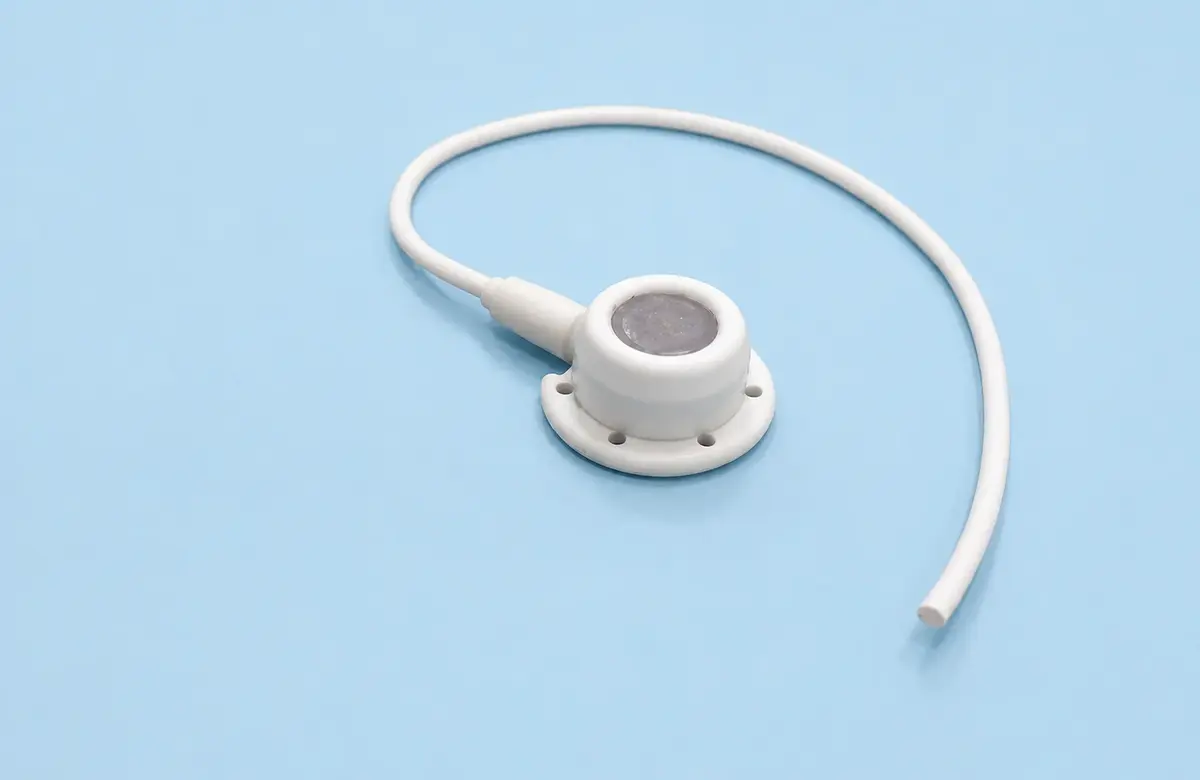
A chemoport is a small medical device placed under the skin that allows safe and repeated delivery of chemotherapy, medications, blood transfusions, and blood sampling without repeated needle pricks.
It consists of:
A small chamber (port) placed under the skin, usually on the chest
A thin tube (catheter) that enters a large vein
Why is a Chemoport Needed?
It is recommended in children who:
Require long-term chemotherapy
Need frequent blood tests
Have difficult vein access
Require long-term IV medications
A chemoport protects small veins from damage caused by strong medications.
How is it Inserted?
Inserted under general anesthesia
Takes about 30–45 minutes
A small incision is made, and the port is placed under the skin
The child can usually go home the same day or within 24 hours
Is it a Day Care Surgery?
Yes. Chemoport insertion is usually a day care procedure.
The device can remain in place for months or years and is removed once treatment is completed.