
Pediatric Chest and Airway Surgery
Common Pediatric Chest and Airway Surgery
Pediatric chest and airway surgery focuses on conditions affecting the lungs, chest wall, and breathing passages in children. Common conditions include congenital lung malformations, lung infections, airway obstruction, tracheoesophageal fistula, and mediastinal masses. These procedures often require specialized expertise, especially in newborns and infants. Whenever possible, minimally invasive (thoracoscopic) techniques are used to reduce pain, improve recovery, and minimize hospital stay, while ensuring safe and effective outcomes.

Empyema Thoracis
Condition: Empyema Thoracis
Empyema thoracis is a collection of pus in the space between the lung and the chest wall (pleural space). It usually develops as a complication of severe pneumonia.
Children may present with:
Persistent fever despite antibiotics
Cough
Breathing difficulty

Chest pain
Reduced activity or lethargy
If not treated in time, it can compress the lung and affect breathing.
Treatment
Treatment depends on the stage and severity:
Intravenous antibiotics
Chest tube insertion to drain the pus
Thoracoscopic surgery (VATS) in cases where thick pus or loculations prevent proper drainage
Early intervention helps the lung expand fully and recover well.
Surgery is advised as soon as appendicitis is diagnosed to prevent rupture and complications. Early treatment leads to smoother recovery.
Is it a Day Care Surgery?
No. Empyema treatment requires hospital admission.
Children usually need several days of monitoring, antibiotics, and drainage until the infection resolves.
With timely management, most children recover completely with good lung function.
Congenital Lung Lesions
Condition: Congenital Lung Lesions
Congenital lung lesions are abnormalities of lung development present from birth. They are often detected on an antenatal ultrasound or may present later with breathing difficulty or recurrent chest infections.
Common types include:
CPAM (Congenital Pulmonary Airway Malformation)
Pulmonary sequestration
Bronchogenic cyst

Some babies may have no symptoms initially, while others may develop:
Fast breathing
Recurrent pneumonia
Feeding difficulty
Respiratory distress in newborns
Treatment
Management depends on the size of the lesion and symptoms.
Small, asymptomatic lesions may be monitored initially.
Symptomatic or significant lesions usually require surgical removal (lobectomy or cyst excision).
Many procedures can be performed using thoracoscopic (minimally invasive) surgery, allowing faster recovery.
When is Surgery Advised?
Surgery is advised:
If the baby has breathing difficulty
If there are recurrent infections
If the lesion is large or carries risk of future complications
Electively in early infancy in selected cases
Is it a Day Care Surgery?
No. Lung surgery requires hospital admission.
Children typically stay for several days for monitoring, pain control, and lung expansion. With timely treatment, long-term outcomes are usually excellent.
Expert Pediatric Chest and Airway Care
Get in touch today
Tracheo-Esophageal Fistula (TEF)
Condition: Tracheo-Esophageal Fistula
Tracheo-esophageal fistula (TEF) is a birth condition where there is an abnormal connection between the food pipe (esophagus) and the windpipe (trachea). It is commonly associated with esophageal atresia, where the upper part of the esophagus does not connect normally to the stomach.
Newborns may present with:
Excessive drooling or frothing

Coughing or choking during feeds
Breathing difficulty
Bluish discoloration while feeding
Abdominal distension
This condition is usually diagnosed soon after birth and requires urgent attention.
Treatment (TEF Repair Surgery)
Treatment involves surgical correction to:
Close the abnormal connection between the trachea and esophagus
Join the two ends of the esophagus (if associated with atresia)
The procedure may be performed through an open or thoracoscopic (minimally invasive) approach, depending on the case.
When is Surgery Advised?
Surgery is performed soon after birth, once the baby is stabilized. Early repair prevents aspiration and serious lung complications.
Is it a Day Care Surgery?
No. TEF repair requires hospital admission and newborn intensive care monitoring.
Babies typically stay in the hospital for several days to weeks, depending on recovery and feeding progress.
With timely surgery and specialized care, most babies go on to feed well and grow normally.
Airway Stenosis
Condition: Airway Stenosis
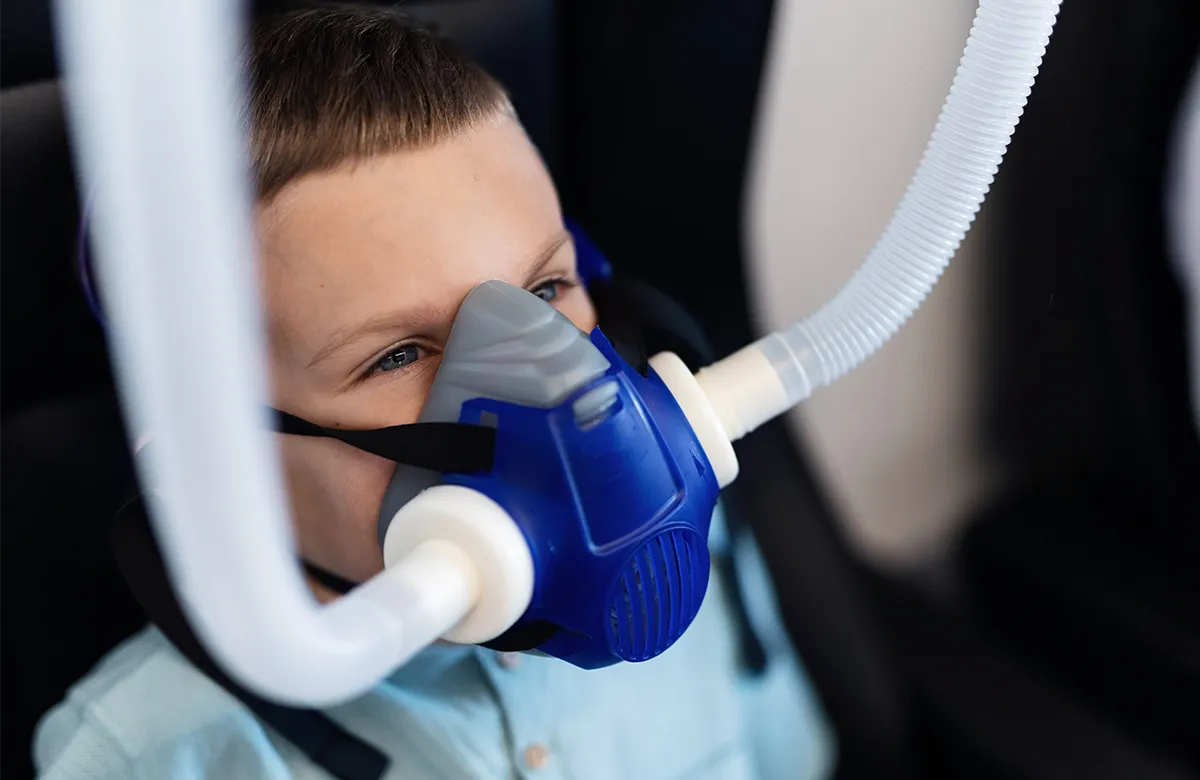
Airway stenosis is a narrowing of the breathing passage (trachea or larynx) that makes it difficult for air to flow normally. It may be present from birth (congenital) or develop after prolonged intubation, infection, or trauma.
Children may present with:
Noisy breathing (stridor)
Recurrent breathing difficulty
Persistent cough
Poor weight gain in severe cases
Recurrent chest infections
Symptoms may worsen during infections.
Treatment
Management depends on the severity of narrowing:
Mild cases may be monitored
Endoscopic procedures (balloon dilatation or laser treatment) may be performed in selected cases
Severe stenosis may require open airway reconstruction surgery
In some cases, a temporary tracheostomy may be needed.
When is Surgery Advised?
Surgery is advised when:
There is significant breathing difficulty
Recurrent hospitalizations occur
The narrowing is severe on evaluation
Is it a Day Care Surgery?
No. Airway procedures usually require hospital admission and close monitoring, especially in young children.
With timely and appropriate treatment, most children achieve improved breathing and good long-term outcomes.
Expert Pediatric Chest and Airway Care
Get in touch today
Foreign Body Aspiration
Condition: Foreign Body Aspiration
Foreign body aspiration occurs when a child accidentally inhales a small object into the airway. Common items include peanuts, seeds, small toy parts, or food particles.
It may present with:
Sudden choking episode
Persistent cough
Noisy breathing or wheezing
Breathing difficulty
Recurrent pneumonia in the same area of the lung
Sometimes, symptoms may be subtle after the initial choking event.
Treatment (Bronchoscopy Removal)
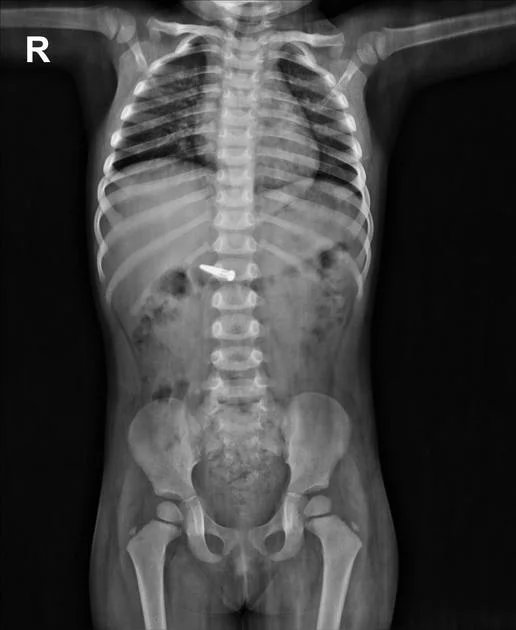
The treatment is urgent bronchoscopy, a procedure performed under general anesthesia to locate and remove the foreign body from the airway.
When is Surgery Advised?
Bronchoscopy is advised immediately if foreign body aspiration is suspected. Delayed removal can lead to infection, lung collapse, or long-term lung damage.
Is it a Day Care Surgery?
In uncomplicated cases, bronchoscopy may be a short-stay procedure, and the child can often go home within 24 hours.
If there is infection or lung complications, a longer hospital stay may be required.
Early recognition and prompt treatment lead to excellent recovery.
Choanal Atresia
Condition: Choanal Atresia
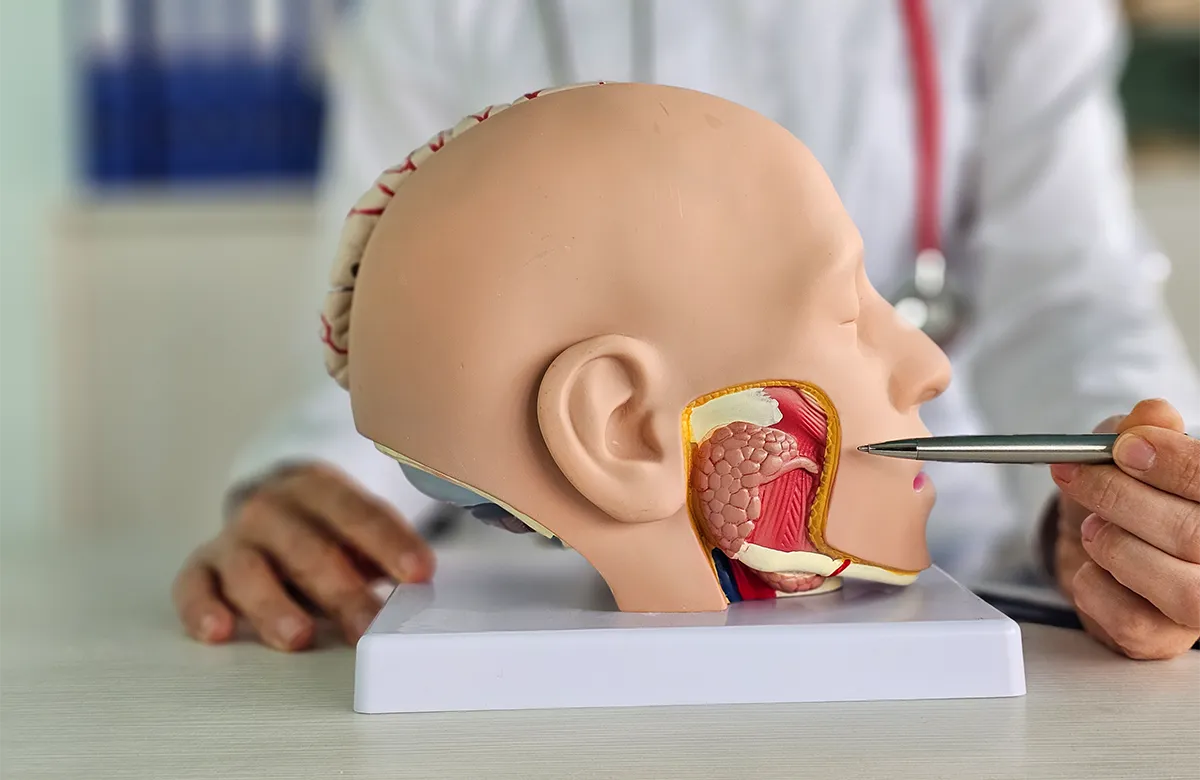
Choanal atresia is a birth condition where the back of the nasal passage (choana) is blocked by bone or soft tissue. This prevents normal airflow from the nose to the throat.
It may affect one side (unilateral) or both sides (bilateral).
Newborns with bilateral choanal atresia may present with:
Severe breathing difficulty at birth
Bluish discoloration that improves when crying
Difficulty feeding
Unilateral cases may present later with:
Persistent nasal blockage on one side
Recurrent nasal discharge
Treatment (Choanal Atresia Repair)
Treatment involves surgical opening of the blocked nasal passage, usually performed through the nose using endoscopic techniques.
In newborns with bilateral blockage, initial stabilization and airway support are essential before surgery.
When is Surgery Advised?
Bilateral choanal atresia: Urgent surgery after stabilization
Unilateral choanal atresia: Elective surgery, depending on symptoms
Is it a Day Care Surgery?
No. Choanal atresia repair usually requires hospital admission for monitoring, nasal care, and breathing support after surgery.
Thoracoscopic CDH Repair After Birth
What is Thoracoscopic CDH Repair?
Thoracoscopic repair is a minimally invasive (keyhole) surgery performed after birth to correct the diaphragmatic defect.
Using small incisions and a camera, the surgeon:
Gently moves abdominal organs back into the abdomen
Repairs the defect in the diaphragm (with sutures or a patch, if needed)
When is Surgery Done?
Surgery is performed after the baby is stabilized in the neonatal intensive care unit (NICU). The timing depends on the baby’s breathing and overall condition.
Benefits of Thoracoscopic Repair
Smaller incisions and minimal scarring
Less postoperative pain
Faster recovery
Better visualization during surgery
Reduced chest wall trauma
Is it a Day Care Surgery?
No. CDH repair requires hospital admission and intensive care monitoring before and after surgery.