

Pediatric Urology Surgery
Common Pediatric Urology Conditions and Surgeries
Common pediatric urologic surgeries address conditions affecting the kidneys, ureters, bladder, and genitalia in children. These include procedures for undescended testes (orchiopexy), hydrocele, inguinal hernia, hypospadias repair, and circumcision for phimosis. Surgeries are also performed for urinary obstruction, vesicoureteral reflux, posterior urethral valves, and kidney or bladder stones. Many of these procedures are done using minimally invasive techniques such as laparoscopy and endoscopy, which offer smaller incisions, less pain, and quicker recovery. The goal is to restore normal urinary function while ensuring long-term health and comfort for the child.
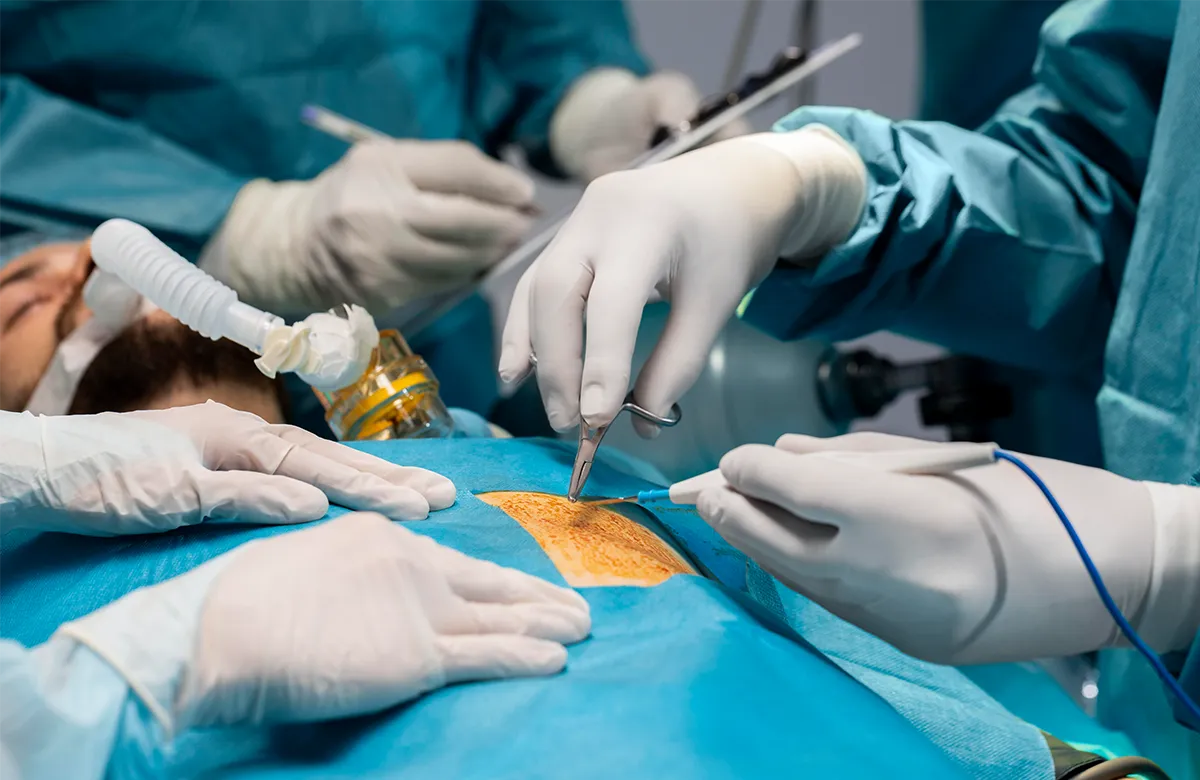
Circumcision
Condition: Phimosis
Phimosis is a condition where the foreskin is too tight to be pulled back normally.
In young children, mild tightness is often normal and usually improves naturally with age. However, if the tightness persists or causes symptoms, treatment may be required.
Circumcision
Circumcision is a minor surgical procedure in which the foreskin (the skin covering the tip of the penis) is removed to expose the head of the penis.

When is Surgery Advised?
Circumcision is advised when conservative treatment, such as application of topical steroid cream, is not effective.
Circumcision may be recommended if the child has:
Tight foreskin that does not improve with age (phimosis)
Recurrent infections of the foreskin (balanoposthitis)
Recurrent urinary tract infections (UTIs) in selected cases
Pain or difficulty while passing urine
Recurrent swelling or redness of the foreskin
Religious or cultural reasons
Is it a Day Care Surgery?
Yes. Circumcision is usually performed as a day care (short-stay) surgery. Most children can go home the same day, after a few hours of observation. Recovery is generally quick, and children can return to normal activities within a few days.
Expert Pediatric Urology Care
Get in touch today
Undescended Testis
Condition: Undescended Testis
An undescended testis (cryptorchidism) occurs when one or both testicles fail to move into the scrotum before birth. If not corrected, it may affect fertility and increase future risks.
Orchiopexy
Orchiopexy is a surgical procedure done to bring an undescended testis down into the scrotum and fix it in place permanently.
When is Surgery Advised?
If the testis has not descended by 6 months of age, surgery is recommended, ideally between 6–12 months.
Is it a Day Care Surgery?

Yes. Orchiopexy for undescended testis is usually a day care procedure. The surgery takes about 45–60 minutes, and most children go home the same day with quick recovery.
Hydrocele
Condition: Hydrocele
A hydrocele is a fluid-filled swelling around the testicle, causing painless enlargement of the scrotum. It is common in infants and usually appears as a soft, smooth swelling. Some hydroceles resolve on their own, but persistent ones may require treatment.
Hydrocele Surgery
Hydrocele surgery is a procedure done to remove the fluid and close the communication that allows fluid to collect around the testis, preventing recurrence.
When is Surgery Advised?
If the hydrocele persists beyond 18 months
If the swelling increases in size
If it is associated with an inguinal hernia
If it causes discomfort
Is it a Day Care Surgery?
Yes. Hydrocele surgery is usually a day care surgery, and most children go home the same day with a quick recovery
Inguinal Hernia
Condition: Inguinal Hernia
An inguinal hernia occurs when a part of the intestine or abdominal tissue protrudes through a weak area in the lower abdominal wall, appearing as a swelling in the groin or scrotum. The swelling may increase while crying, coughing, or straining. Most hernias do not resolve on their own and require surgical treatment.
Herniotomy (Hernia Surgery)
Herniotomy is the surgical procedure performed to treat an inguinal hernia in children. During the procedure, the hernia sac is carefully separated and tied off to prevent abdominal contents from bulging out. In children, mesh is usually not required.
When is Surgery Advised?
Surgery is advised soon after diagnosis, as inguinal hernias carry a risk of becoming trapped (incarcerated), which can become an emergency.

Is it a Day Care Surgery?
Yes. Inguinal hernia repair (herniotomy) is usually a day care procedure.
Expert Pediatric Urology Care
Get in touch today
Hypospadias Repair
Condition: Hypospadias
Hypospadias is a condition present at birth where the opening of the urethra (urinary passage) is located on the underside of the penis instead of at the tip. It may also be associated with a downward curvature of the penis and an incomplete foreskin.
Hypospadias Repair
Hypospadias repair is a surgical procedure performed to reposition the urinary opening to the tip of the penis, straighten any curvature, and achieve a normal appearance and function.
When is Surgery Advised?
Surgery is usually recommended between 6–18 months of age. Early correction helps ensure normal urinary function and development.

Is it a Day Care Surgery?
In many cases, hypospadias repair is a short-stay or day care procedure, depending on the type and severity.
The surgery typically takes 1–3 hours, and recovery instructions are explained in detail to parents.
Pyelopasty
Condition: PUJ (Pelvi-Ureteric Junction) Obstruction
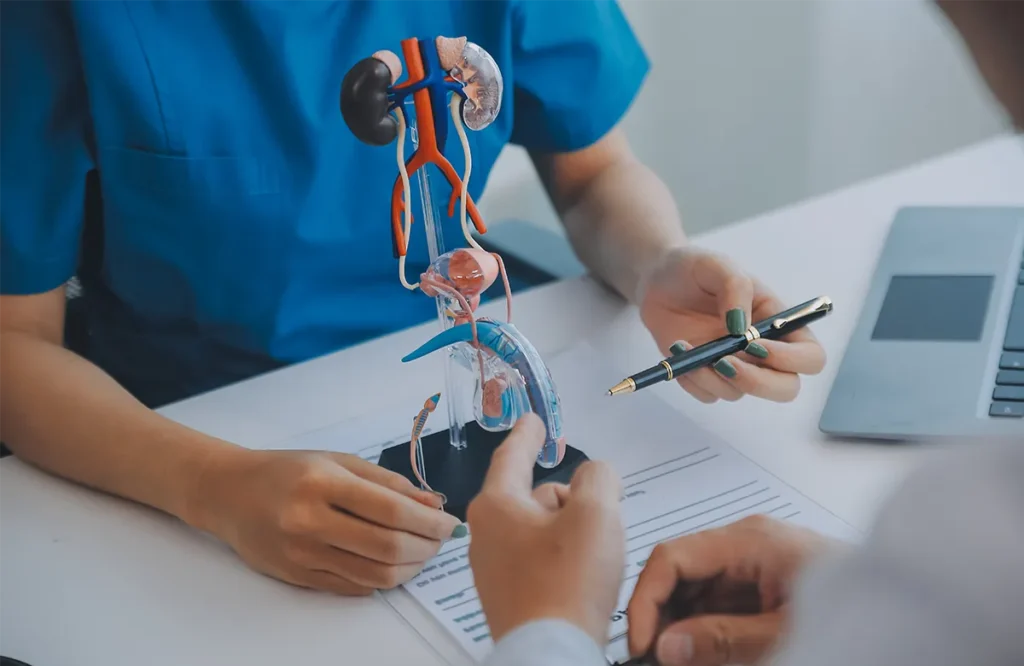
PUJ obstruction occurs when there is a narrowing at the junction where the kidney meets the ureter (the tube that drains urine into the bladder). This prevents urine from draining normally from the kidney.
It can lead to:
Swelling of the kidney (hydronephrosis)
Recurrent urinary tract infections
Abdominal or flank pain
UTI
Gradual damage to kidney function if untreated
When significant obstruction affects kidney drainage or function, surgical correction is advised.
Pyeloplasty Surgery
Pyeloplasty is a procedure performed to relieve the blockage and restore normal urine flow.
During surgery:
The narrowed portion is removed
The healthy ureter is reattached to the kidney in a wider, unobstructed manner
In some children, a temporary internal stent is placed to support healing and is removed later.
When is Surgery Advised?
Surgery is considered when:
Kidney swelling is significant
Kidney function shows deterioration
The child has recurrent infections or pain
There is persistent obstruction on follow-up scans
Is it a Day Care Surgery?
Pyeloplasty usually requires a short hospital stay (typically 3–5 days).
It is not a same-day discharge procedure, as children are monitored for urine drainage, pain control, and feeding tolerance after surgery.
With timely treatment, most children recover well with excellent long-term kidney function.
Vesicoureteral Reflux (VUR)
Condition: Vesicoureteral Reflux
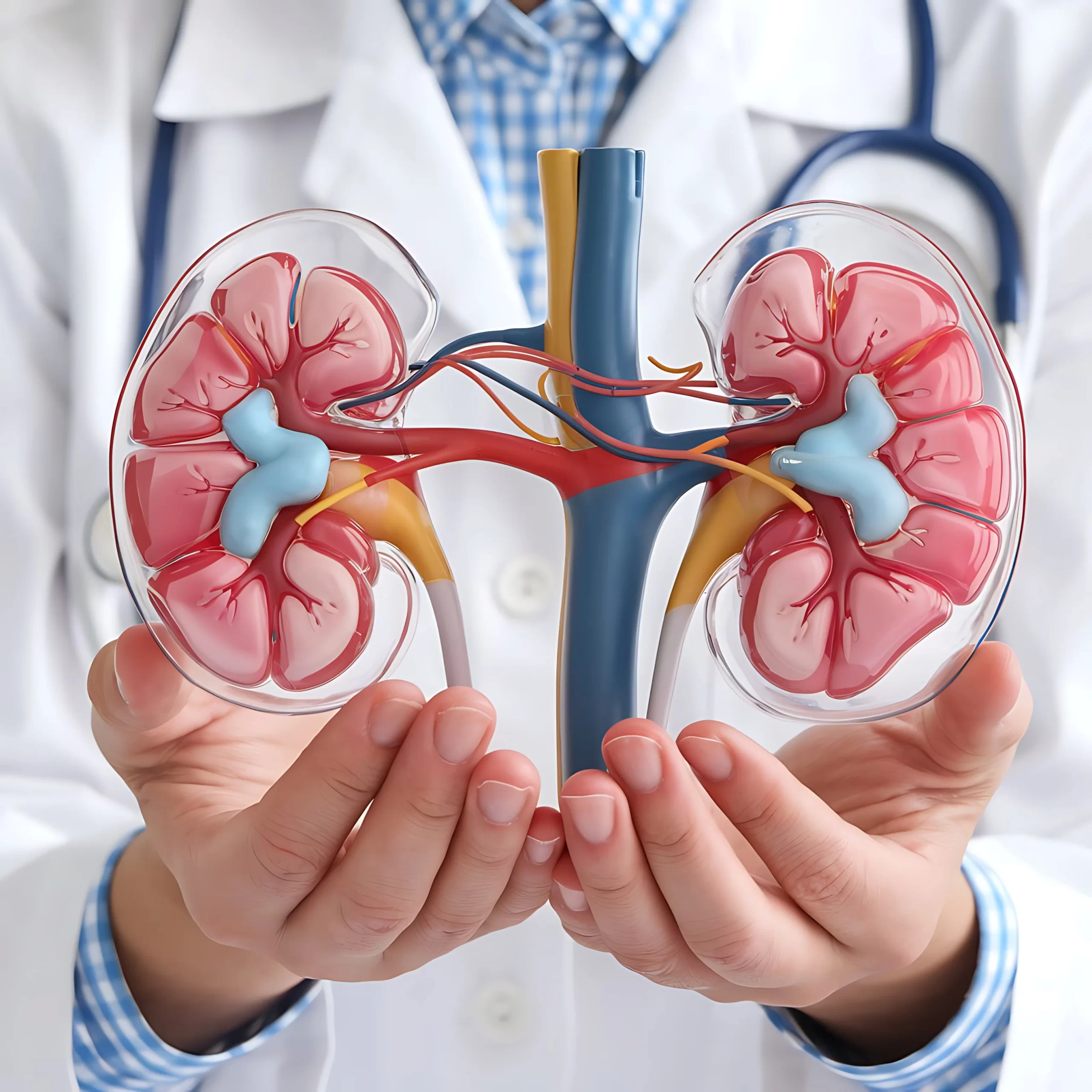
Normally, there is a valve between the ureter and the urinary bladder that allows urine to flow only in one direction — from the ureter into the bladder.
In VUR, this valve is underdeveloped or faulty, allowing urine to flow backward from the bladder to the kidneys.
VUR may be:
Primary: Due to a developmental defect in the valve
Secondary: Due to increased bladder pressure (e.g., bladder obstruction), which forces urine backward
Treatment
Primary VUR:
Often managed conservatively with:
Preventive (low-dose) antibiotics
Regular follow-up and monitoring
Many children outgrow mild to moderate reflux as they grow.
When is Surgery Advised?
Surgery is considered when:
There is high-grade reflux
Recurrent infections despite medical treatment
Evidence of kidney damage
Failure of conservative management
Surgical Treatment (Ureteric Reimplantation)
Surgery involves repositioning the ureter into the bladder to recreate a proper valve mechanism and prevent backflow.
It can be performed using:
Open surgery
Laparoscopic approach
Robotic-assisted surgery
Is it a Day Care Surgery?
No. Ureteric reimplantation requires hospital admission for a few days for monitoring and recovery.
With appropriate treatment, most children achieve good urinary control and protection of kidney function.
Posterior Urethral Valves (PUV)
Condition: Posterior Urethral Valves
Posterior urethral valves (PUV) is a condition seen in boys where abnormal valve-like folds are present in the urethra. These should not be present and cause obstruction to the flow of urine.
This can lead to:
Poor urinary stream
Difficulty passing urine
Recurrent urinary infections
Swelling of the bladder and kidneys
Risk of kidney damage if untreated
Treatment (Cystoscopic Valve Ablation)
Treatment involves cystoscopy, where a small scope is passed through the urinary passage and the valves are removed using:
Laser
Electrocautery
Cold knife
This relieves the obstruction and improves urine flow.
When is Surgery Advised?
Surgery is advised as soon as the diagnosis is confirmed to prevent ongoing kidney damage.
Is it a Day Care Procedure?
In stable cases, cystoscopic valve ablation may be a short-stay procedure.
Some children may require hospital admission for monitoring depending on their condition. Early diagnosis and treatment are crucial to preserve kidney function.